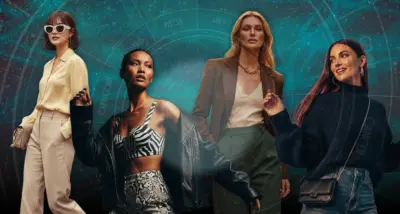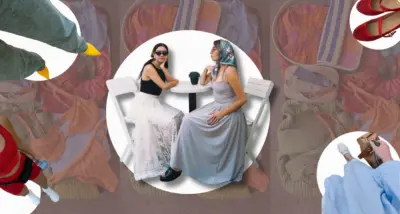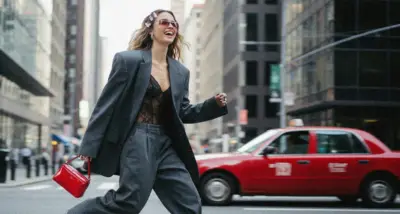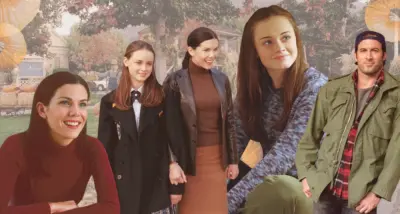
Polka Dots, Messy Girls, and the Return of Color With Intent
Fashion Is Bored of Behaving
Fashion right now feels like it’s shrugging off a coat it wore for too long.
The rules are still there, but they’re being bent, wrinkled, and misused on purpose.
After seasons of restraint, polish, and perfectly calibrated “timelessness,” style is leaning back into play.
Not chaos. Not irony. But deliberate eccentricity.
Clothes that look styled, lived-in, slightly ungoverned.
Clothes that feel chosen, not approved.
This isn’t about trends but about taste waking up again.
Welcome to The Glaze Index — February 2026 edition.
WHAT’S RISING: Prints With Personality
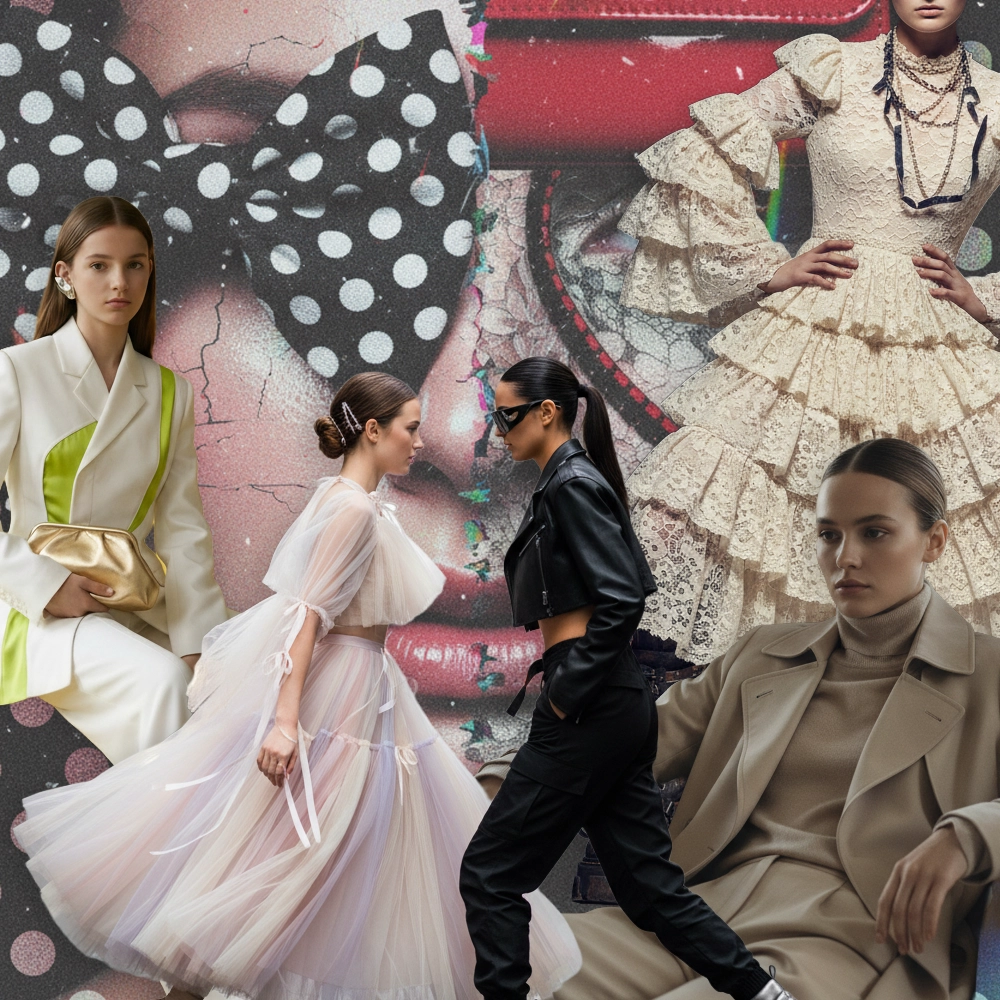
Minimalism is loosening its grip, and prints are stepping back in, not aggressively, but confidently.
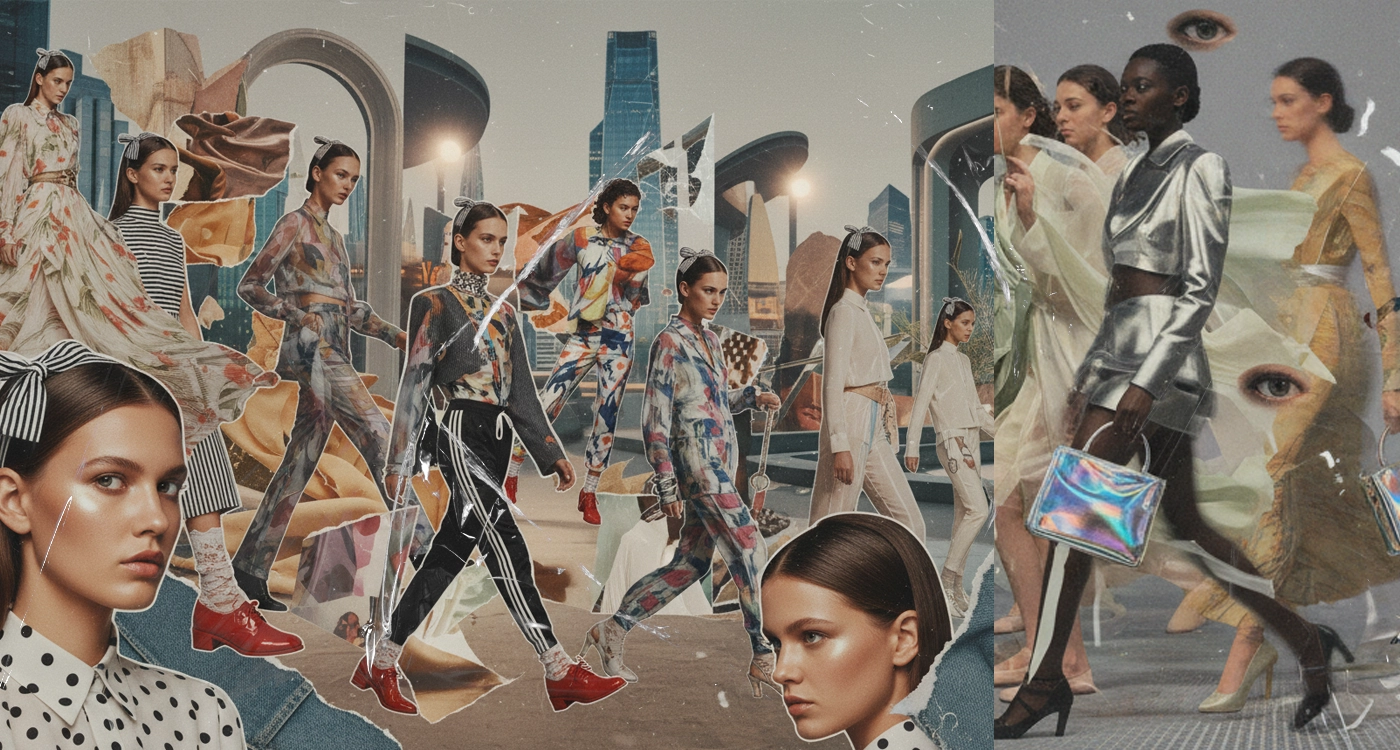
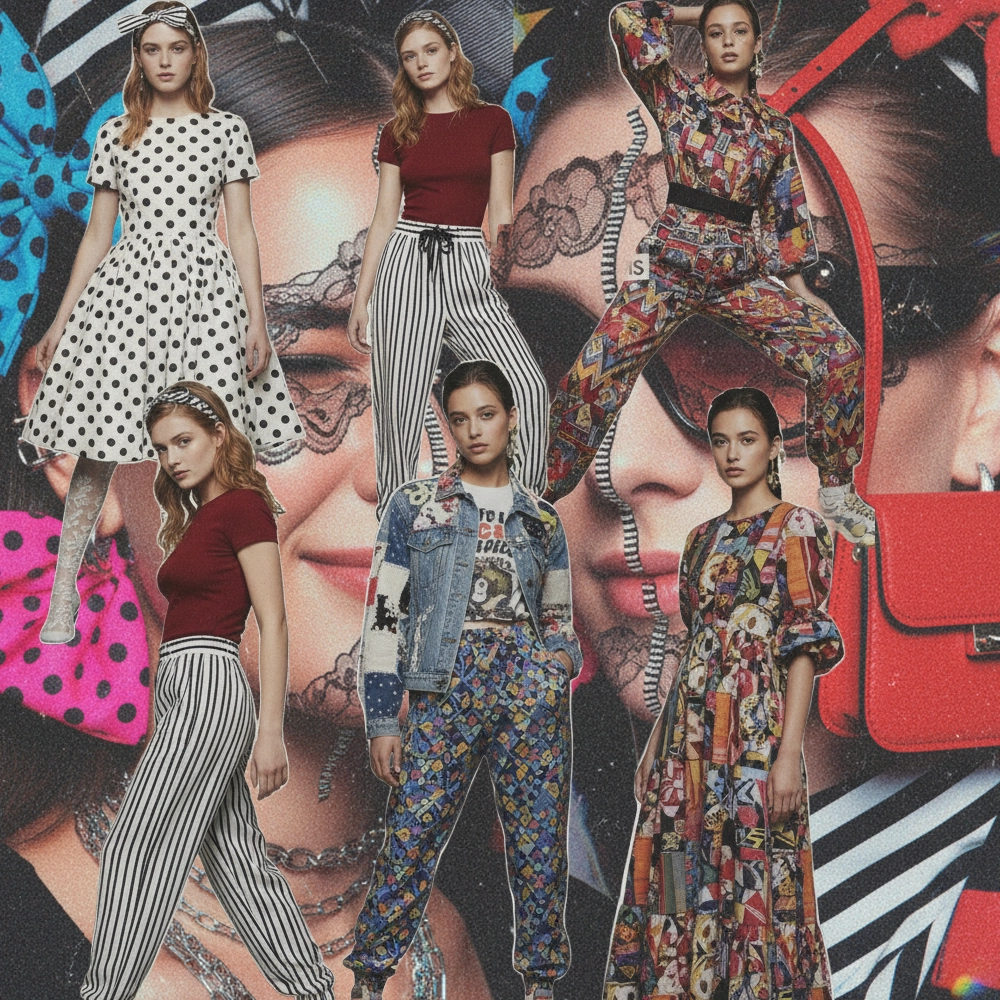
Polka dots are everywhere again, but softer, warped, and irregular.
Think micro dots on sheer tops, oversized dots on tailoring, mismatched scales layered together.
They feel playful without being retro. Stripes are clashing, vertical with diagonal, pinstripe with painterly.
Florals are blurred, abstracted, and almost emotional rather than decorative.
Brands like Miu Miu and Chopova Lowena are leaning into prints that feel personal, slightly obsessive, never safe.
The key shift: prints are no longer statements. They’re habits.
WHAT’S EVOLVING: Color That Refuses to Match
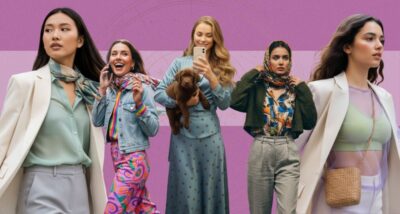
Forget harmony. Color in 2026 is about friction.
Unexpected pairings are taking over: acid yellow with powder blue, cherry red against chocolate brown, mint green clashing gently with lilac.
These combinations don’t flatter, they provoke.
The palette feels emotional rather than aesthetic.
Colors are chosen for mood, not coordination.
Outfits look assembled intuitively, almost impulsively, like dressing from memory instead of a moodboard.
Loewe and Marni continue to normalize this joyful dissonance, but the look is trickling fast into street style and accessories.
Matching feels dated. Feeling doesn’t.
WHAT’S OVERHYPED (BUT STILL FUN): Clean Girl Accessories
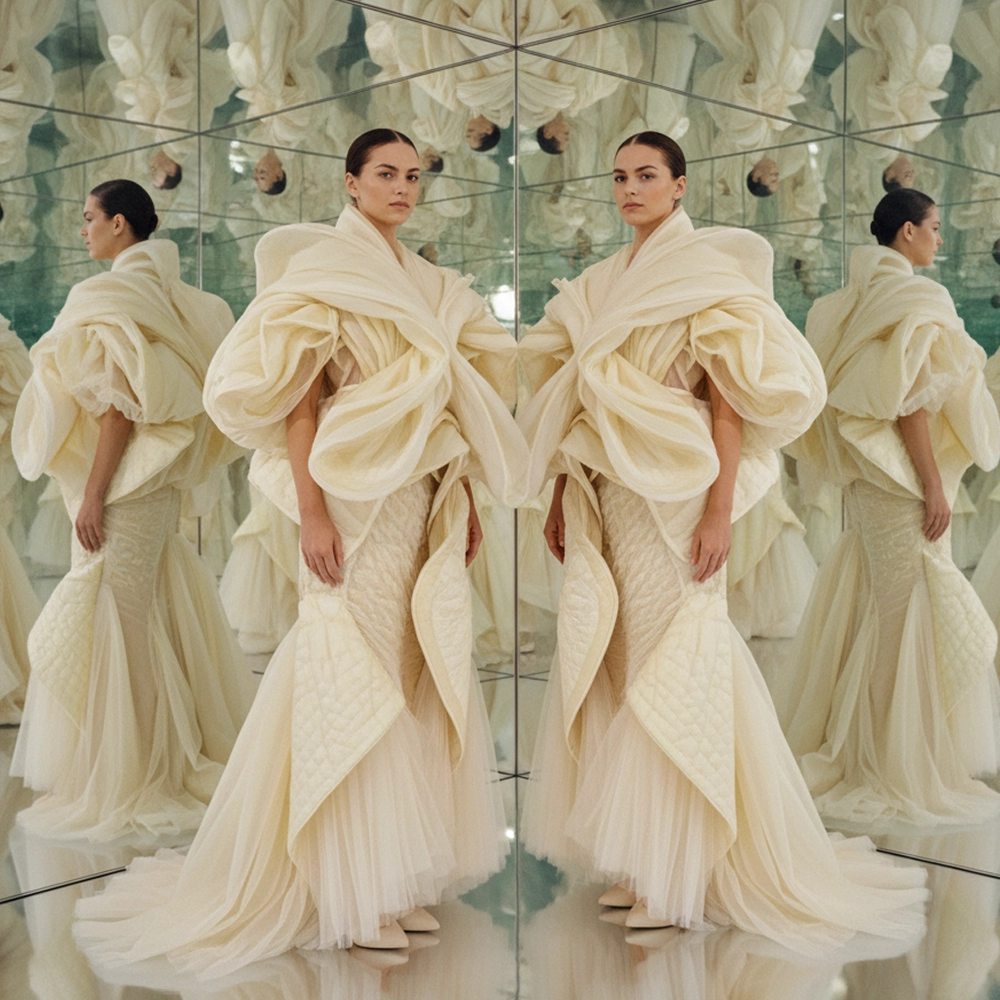
The slick bun, gold hoops, micro bag uniform isn’t offensive, it’s just tired.
Minimal accessories still exist, but they no longer carry cultural weight.
What once read as “effortless” now feels overly managed, almost cautious.
They’re pretty. They photograph well. But they don’t say anything new.
Clean girl aesthetics aren’t disappearing, they’re being absorbed into something messier, looser, more human.
WHAT’S ABOUT TO POP: The Messy Girl Era
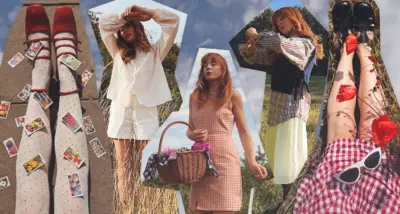
This is the real shift. Hair slightly undone. Socks slipping. Necklaces layered without logic.
Bags overloaded with charms, keychains, and random objects that feel private.
Styling that looks accidental but isn’t careless. The messy girl isn’t grunge.
She’s not ironic. She’s emotionally styled.
She mixes references freely: ballet flats with oversized jackets, sporty nylon with lace, vintage jewelry with plastic accessories.
Brands like Prada and Diesel are feeding this energy, embracing imperfection, friction, and a sense of real life creeping back into luxury.
Accessories lead the charge:
oversized belts, odd earrings, charm-heavy bags, shoes that look worn-in on purpose.
The Glaze Beneath the Surface
Fashion isn’t asking to be taken seriously right now. It’s asking to be felt again.
The obsession with correctness is dissolving into curiosity. Into color experiments, print fixations, and styling that feels intimate and slightly unresolved.
This isn’t about nostalgia or rebellion, but about pleasure without permission.
The new look isn’t perfect. It’s specific. And specificity is always the real luxury.
That’s the signal. That’s the glaze.