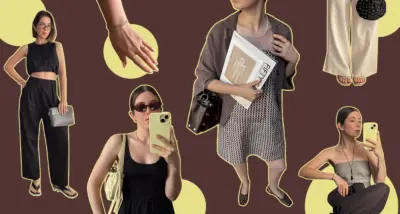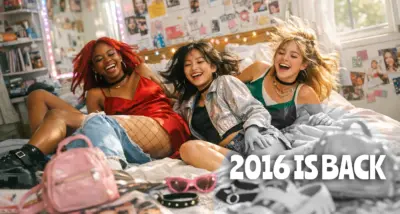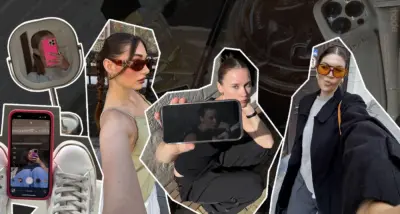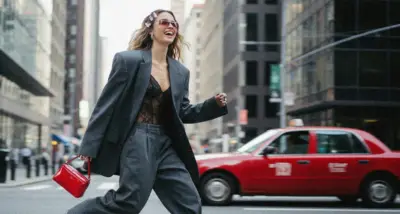
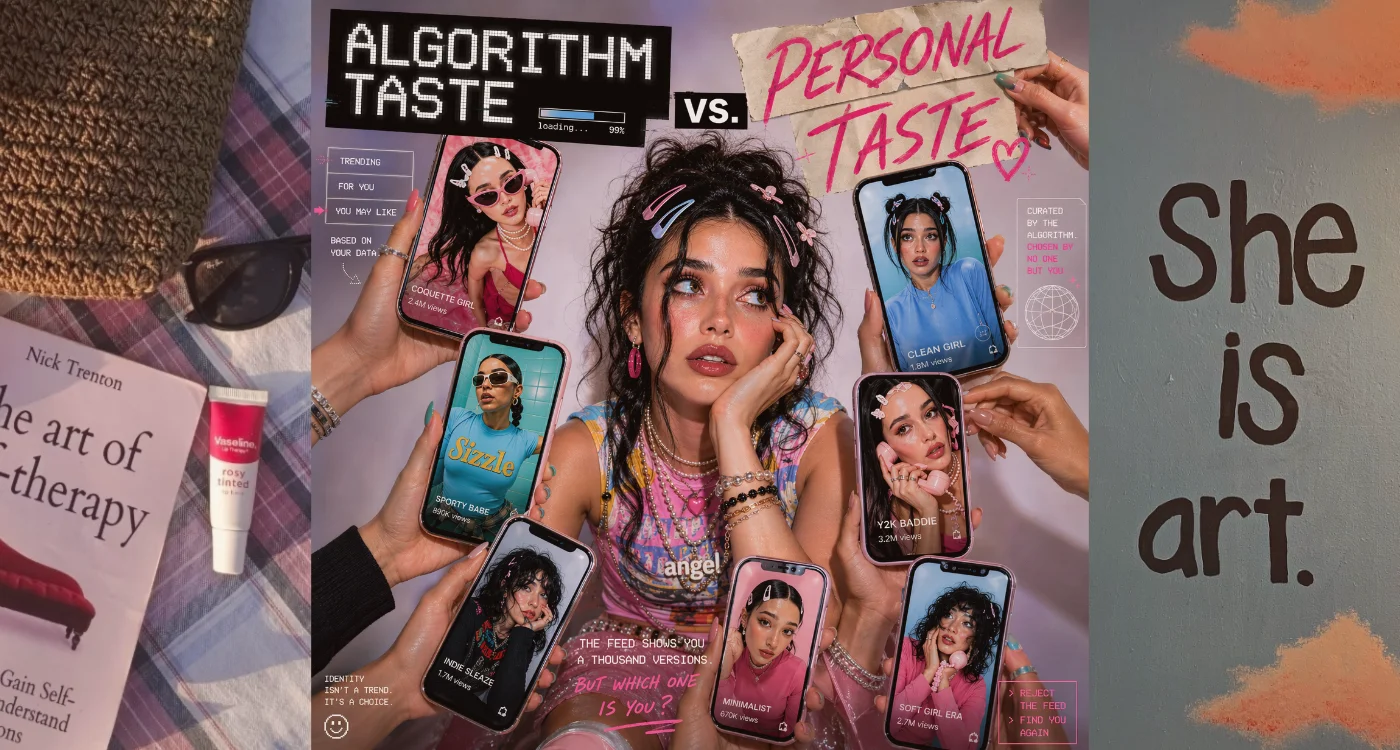
In 2026, personal style functions as a curated performance. It is time to find the self beneath the data.
We ignore our reflection to stare at a mental composite of a thousand saved videos. The zipper goes up, the phone comes out, and a digital echo validates the outfit before it even leaves the bedroom.
We no longer just get dressed. We render a character for an audience that never sleeps. We tailor our silhouettes to fit the specific constraints of a vertical frame.
The Identity Fatigue of the Infinite Scroll
The rapid-fire cycle of the micro-trend reaches a fever pitch. What starts as a seasonal shift now functions as a weekly rotation. This AI-driven acceleration births a specific kind of exhaustion: TikTok aesthetic fatigue.
We surround ourselves with “must-have” items that feel essential on Tuesday yet look like costume leftovers by Saturday. The algorithm ignores the longevity of your wardrobe. It prioritizes the friction of the scroll.
Consequently, this constant demand for novelty flattens the nuances of personal taste. When the For You Page dictates the vibe, we lose the ability to sit with our own aesthetic instincts and instead buy into aesthetics with the shelf life of a viral sound.
The Rise of the Fictional Persona
We trade organic subcultures for algorithmically-approved characters. The “office siren,” the “coquette,” the “blockette”: these movements spring from data sets rather than streets or clubs. We shift from dressing for our actual lives to dressing for a fictional version of them.
These aesthetics seduce because they offer an easy blueprint. They provide a checklist of textures and colors that guarantee digital engagement.
However, a specific hollowness lingers. When we adopt a persona, we bypass the necessary, often awkward process of trial and error that defines real style. True style requires a slow burn. Specifically, it demands a messy, inconsistent evolution of self, rather than a “core” we purchase in a single checkout. The persona provides the mask, but it rarely fits the person.
Reclaiming the Signature Look
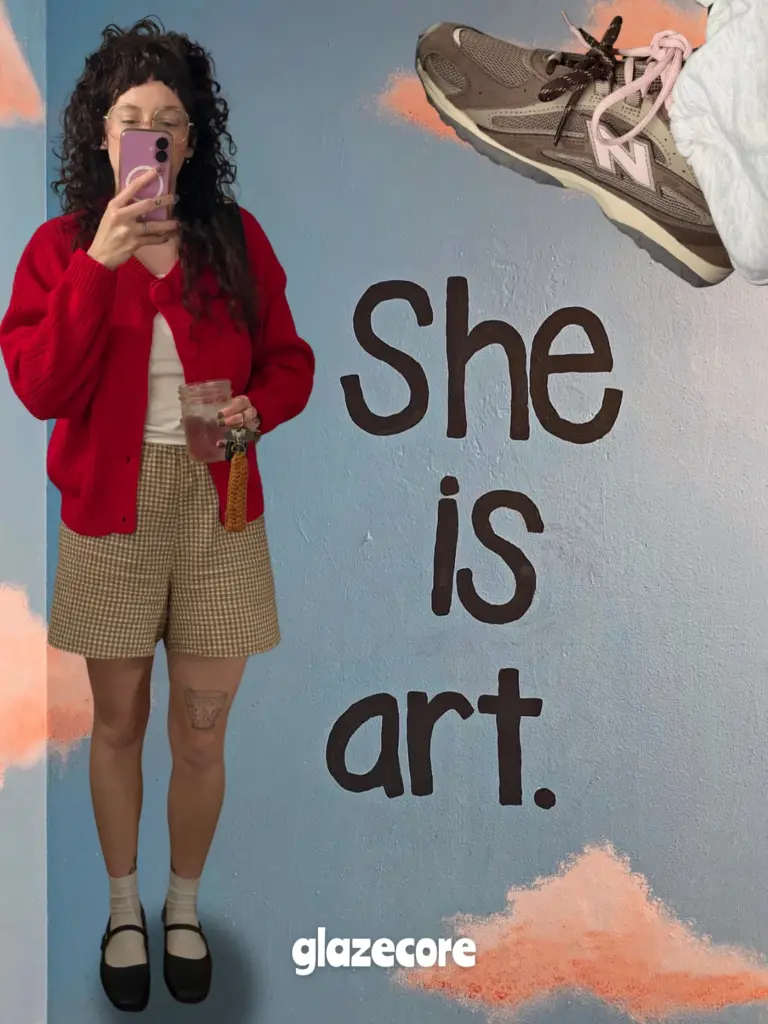
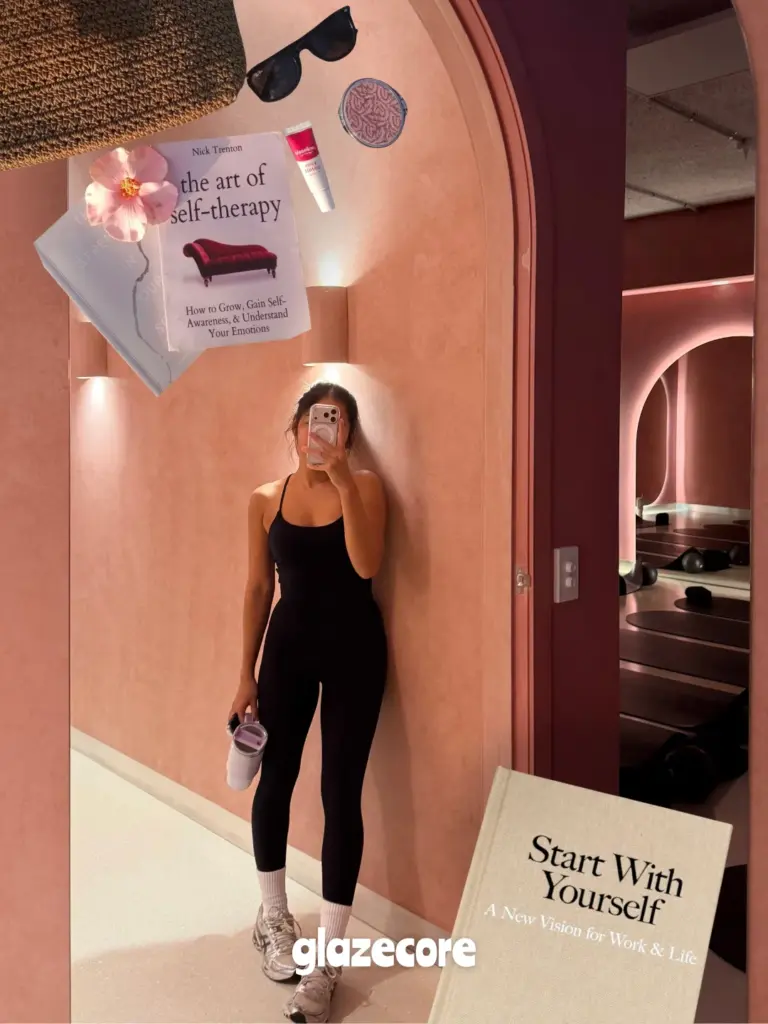
A quiet, powerful counter-movement takes shape. We see a shift toward intentionality. We move away from the performative and toward the archival. The most interesting people no longer wear the latest viral set. Instead, they choose the “wrong” shoes. They wear archival jackets with history. They repeat perfectly worn-in jeans for the third time this week.
This return to a signature look defines digital minimalism in fashion. This involves a refusal to be “relevant” if relevance requires constant consumption. Sustainable personal style relies on silhouettes that feel physically right. By prioritizing textures that resonate on a sensory level, we reclaim our agency.
We move from being consumers to being curators.
The Freedom of the Quiet Choice
The democratization of fashion promises freedom from the gatekeepers of the past. In many ways, it delivers. We access global designers and archival inspiration with a single tap. The algorithm rewards conformity. Breaking the cycle does not require deleting every app. Instead, we change how we use them.
We treat the internet as a source of raw materials rather than a finished blueprint. This shift shows us how to find our style without social media. Real style happens in the gap between the inspiration and the implementation. This human element defines an algorithm-proof wardrobe. The slight imperfection or the choice that makes no “sense” to the data feels exactly right in the light.
The most radical thing we wear in 2026 is something the algorithm did not suggest. Style functions as a dialogue between the person and the garment. It remains a private conversation that needs no caption to be valid. When the screen goes black, what remains belongs to us alone. We find quiet confidence in knowing who we are when no one watches the feed.
FOLLOW US ON INSTAGRAM.