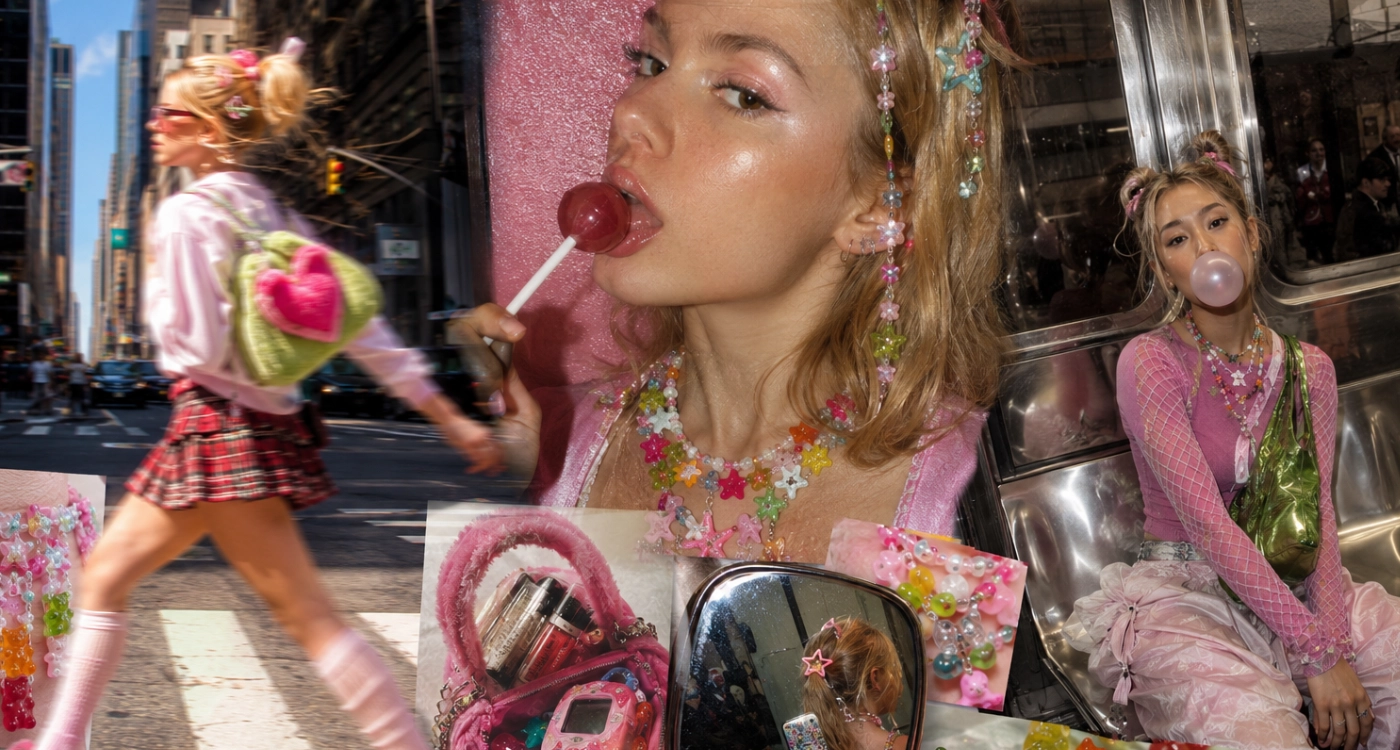
The mirror reflects a high-fructose glow. We move past the era of the clean girl into something more visceral. We stand at the vanity, glazed by syrup. It is 2026, and we embrace a delicious look over a polished one.
The rise of Candy-core beauty marks more than a fleeting obsession with pink. It signals a shift from the clinical to the caloric. We see a massive surge in jelly candy and gummy aesthetics across our feeds. This beauty style functions as a multisensory experience. It feels tactile and squishy. It delivers a visual sugar rush that celebrates excess rather than restraint.
The Gummy Revolution and the Viscous Glow
The textures of our vanity kits are shifting fast. We obsess over translucency. Everything becomes sheer, bouncy, and slightly viscous. The obsession with the wet look evolves. Instead of the post-gym sheen, we now aim for a glazed, candy-coated finish.
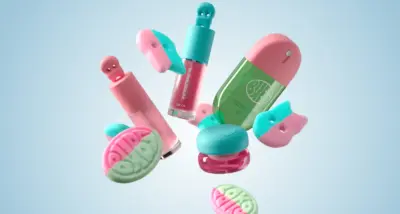
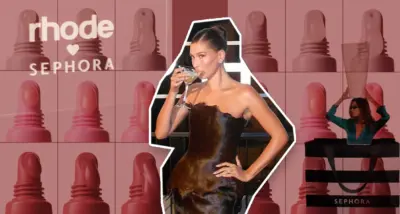
The recent collaboration between H&M Beauty and BUBS signals this industry shift. Makeup now mirrors the look and feel of candy aisles. This trend celebrates how light hits a gummy surface. We crave that reflective, dimensional glow that only jelly textures create.
This movement rejects the matte, filtered skin of previous years. We trade the blur for the bounce. We use sheer, colorful stains that mimic a lollipop-stained lip. We layer high-shine balms until our lids look heavy with moisture. Candy-core beauty thrives in this aesthetic of excess. We render it in transparent, candy-colored layers.
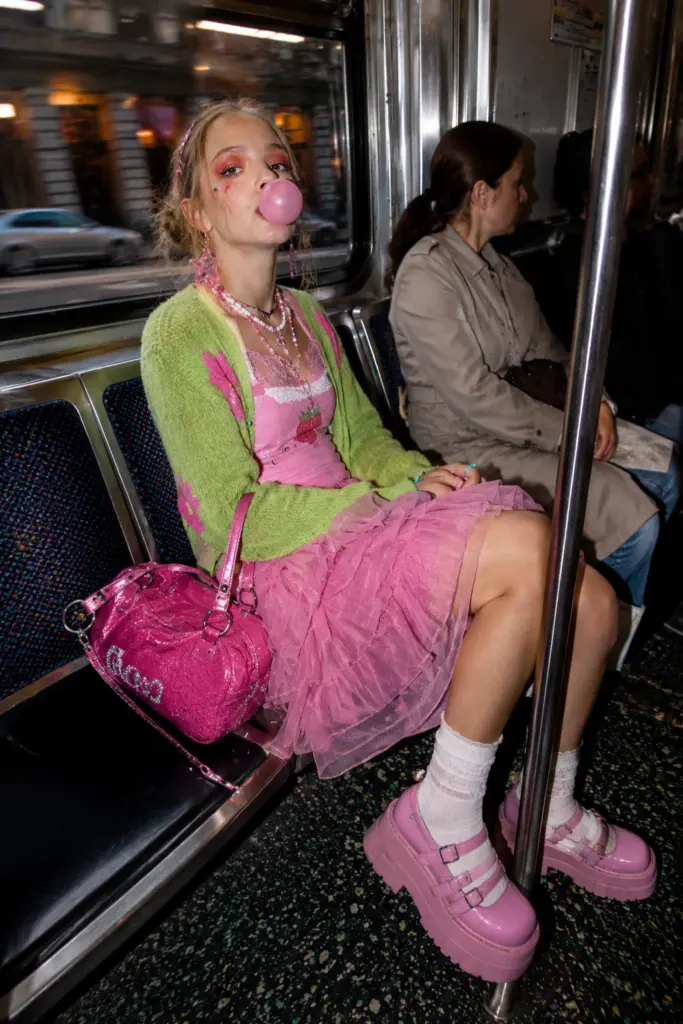
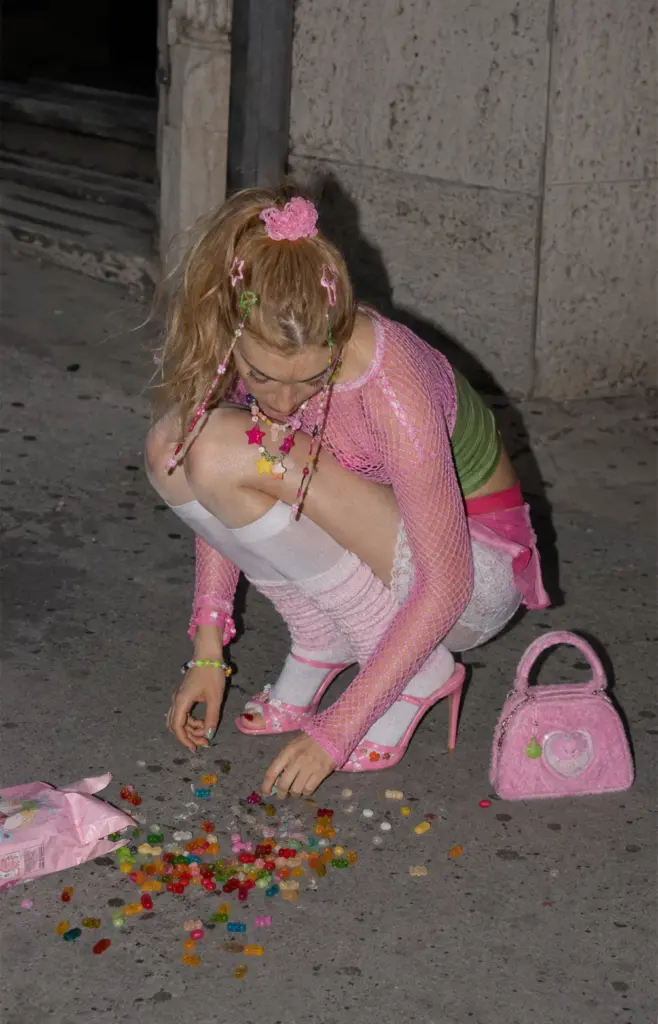
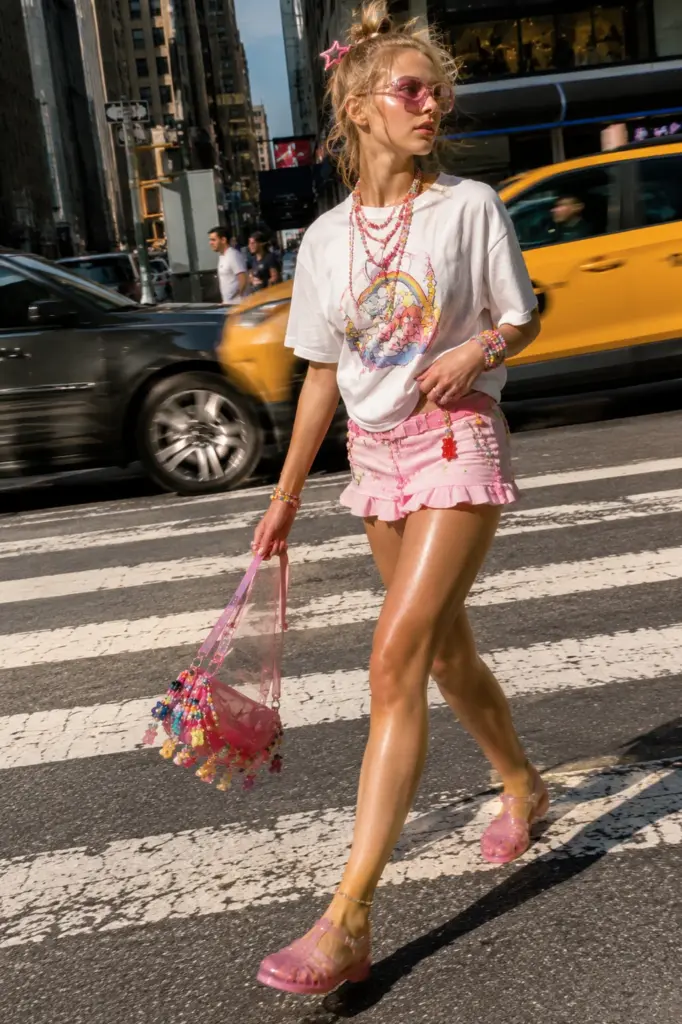
Multisensory Beauty as a Cultural Tether
This trend extends beyond the visual. It creates a full sensory immersion. Brands prioritize products that smell like nostalgia. We see a return to scented formulas evoking specific childhood memories. Think artificial strawberry, sour lime, and blue raspberry.
These scents act as a tether. The minimalism of the early 2020s felt sterile and cold. Now, we choose the scent of a candy shop because it feels safe. It provides a form of comfort. The packaging reflects this mood. It features rounded, playful shapes that feel like toys in the hand.
We find humor in the superficial. Pulling a gloss shaped like candy from a designer bag feels intentional and ironic. It signals a refusal to take beauty too seriously. At the same time, the experience becomes more intimate. We value how products feel, smell, and apply. This shift responds directly to digital fatigue and the need for sensory grounding.
The Psychology of Looking Edible
We want to look edible because the world feels increasingly sharp. We soften our edges with saccharine colors and rounded silhouettes. Candy-core beauty is internet-born whimsy given a physical form. It navigates the vibe shift toward joy and away from performative perfection.
This look remains intentionally imperfect. Smudged liner or flushed cheeks mimic the energy of a sugar rush. Bright accents break visual monotony. We reject beige minimalism in favor of bold, crystalline color.
To get the look, we lean into the saturation. We use products that appear ready to melt. We prioritize the squish factor in our blushes and highlighters. We create a face that looks saturated with life. We decorate ourselves like desserts to celebrate the now. It is temporary and sweet. It is exactly what we need.
The sugar high will eventually crash. Trends are cyclical, and the sweetness will one day feel cloying. But for this moment, we enjoy the saturation. We gloss our skin to the point of melting. We embrace this sugary, temporary state of grace.