

Performative Wealth: How Social Media Makes Everyone Look Rich
POV: You scroll, glazed eyes devouring endless feeds. Matcha lattes, sun-drenched European getaways, and that quiet luxury handbag: it’s all there, draped effortlessly over a perfectly manicured arm. It’s a perpetual moodboard of unattainable chic, where every outfit looks perfect and every moment screams effortless wealth. But peel back the filter, darling. Beneath the gleaming veneer of designer aesthetics and aspirational living, a truth emerges. It’s more complex, more common, and frankly, a little more financially fraught than your FYP lets on. This is the financial illusion we live in: everyone looks rich, but statistically, no one actually is.
The digital landscape blurs the lines between aspiration and reality, birthing a new era we call performative wealth. This isn’t just about flexing a new purchase; it’s a full-time, high-stakes performance, a meticulously styled production where appearing financially flush takes center stage. Every pixel is a calculated move to project financial freedom and endless leisure. Think: an IT girl’s coffee run backdrop, or an artfully arranged minimalist workspace flat lay. The pressure to keep up this social media wealth, to project a life that rivals the most exclusive fashion editorials, is palpable. It creates a feedback loop where likes and validation become currency, feeding this digital aspiration and shaping our online persona.
Quiet Luxury, Old Money Aesthetics, and the Illusion of Style-Based Wealth
This drive to look rich sparks a fascinating evolution in our style codes. Take the “old money aesthetic,” for instance. It’s all about understated elegance, classic silhouettes, and a wardrobe that whispers of generational wealth, even if your actual trust fund is, well, imaginary. We see a resurgence of tailored blazers, cashmere knits, and archival-inspired pieces; all evoke a sense of timeless affluence.

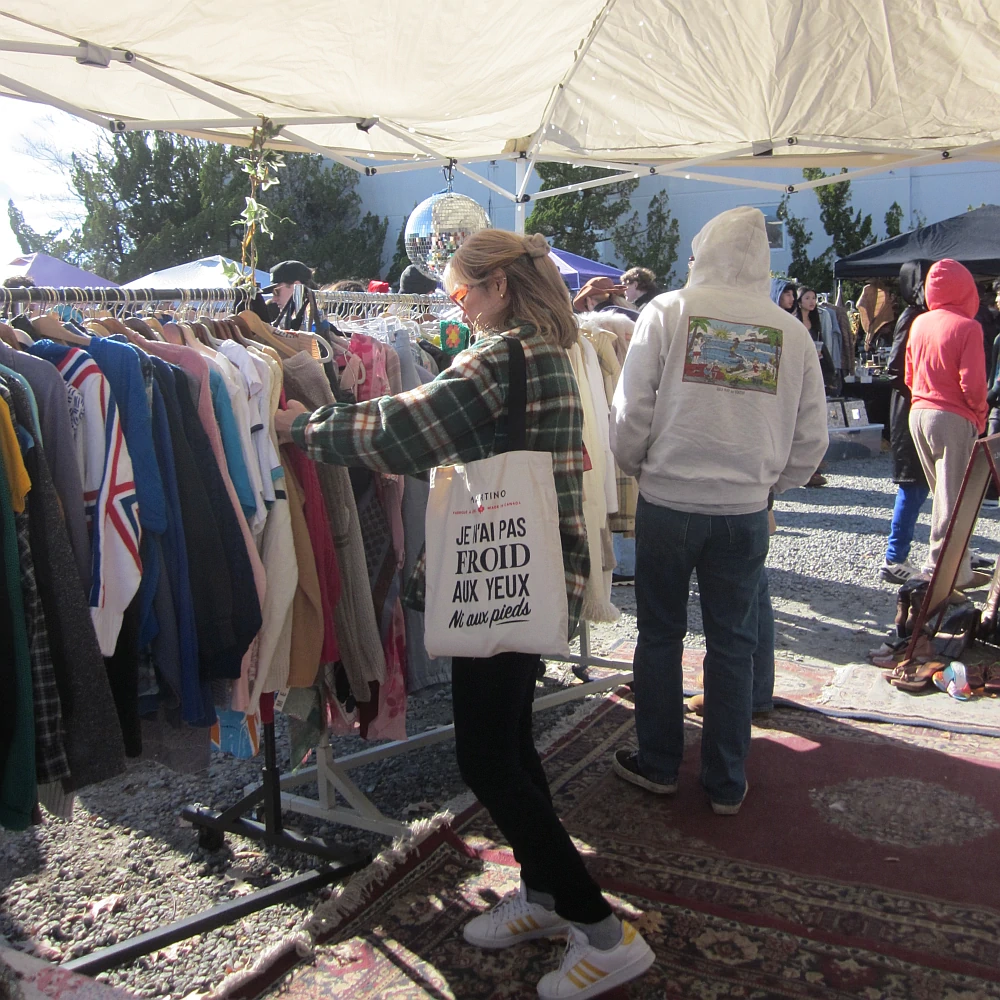
But the brilliance, and sometimes the deception, lies in the execution. Thrifting vintage gems, strategically investing in high-street dupes, or mastering the art of styling basic pieces to appear more elevated: these are the tactics. It’s a masterclass in visual storytelling. Here, the vibe of luxury holds more weight than the actual price tag, shifting our wealth perception.
The Financial and Emotional Cost of Looking Rich
But this perfectly sculpted facade comes at a very real, very stressful cost. Maintaining the illusion often means living beyond one’s means, piling up credit card debt just to secure that “must-have” item or fund a grid-perfect weekend trip. The pursuit of performative wealth can lead to genuine financial burnout, a silent struggle behind the scenes while the curated online persona remains sparkling and carefree. It’s a vicious cycle where the need to project prosperity often drains what little actual prosperity exists, leaving many in a precarious financial dance, one misstep from a major money meltdown, highlighting common Millennial financial struggles.
Beneath the glossy surface, the economic reality for Gen Z finances and Millennials is anything but idyllic. We navigate a labyrinth of soaring student loan debts. Relentless inflation impact eats away at every paycheck. The housing market feels less like a ladder and more like a cliff. Rent prices escalate, grocery bills feel like luxury splurges, and saving for a down payment or retirement often feels like a cruel joke, reflecting the true cost of living. For many, the daily grind is a stark reminder that true financial stability remains a distant mirage, despite the curated feed.
The psychological toll of this constant comparison is monumental. We live in an era of perpetual digital aspiration. Every scroll serves as a highlight reel of lives that seem better, richer, and more effortless than our own, skewing our wealth perception. This creates a relentless pressure to perform, to maintain a false front that can fuel anxiety, imposter syndrome, and a deep sense of inadequacy. Our mental health bears the weight of this digital charade, as the lines between who we are and who we pretend to be blur dangerously, impacting our financial well-being.
Redefining Real Wealth in a World Obsessed With Aesthetics
So, what’s the move? It’s time for a vibe shift, darling. Let’s redefine what “rich” truly means beyond the material trappings. True affluence isn’t about the branded bag or the bougie brunch. It’s about the freedom that comes with financial literacy, conscious consumption, and valuing genuine financial well-being over superficial displays. The ultimate flex isn’t about looking rich; it’s about being smart, being authentic, and building a financial future that’s actually as solid as your selfie game.
Embrace the power of truth, because in a world obsessed with curated perfection, realness is the chicest statement piece of all.