The Velvet Blur of a Decade Past
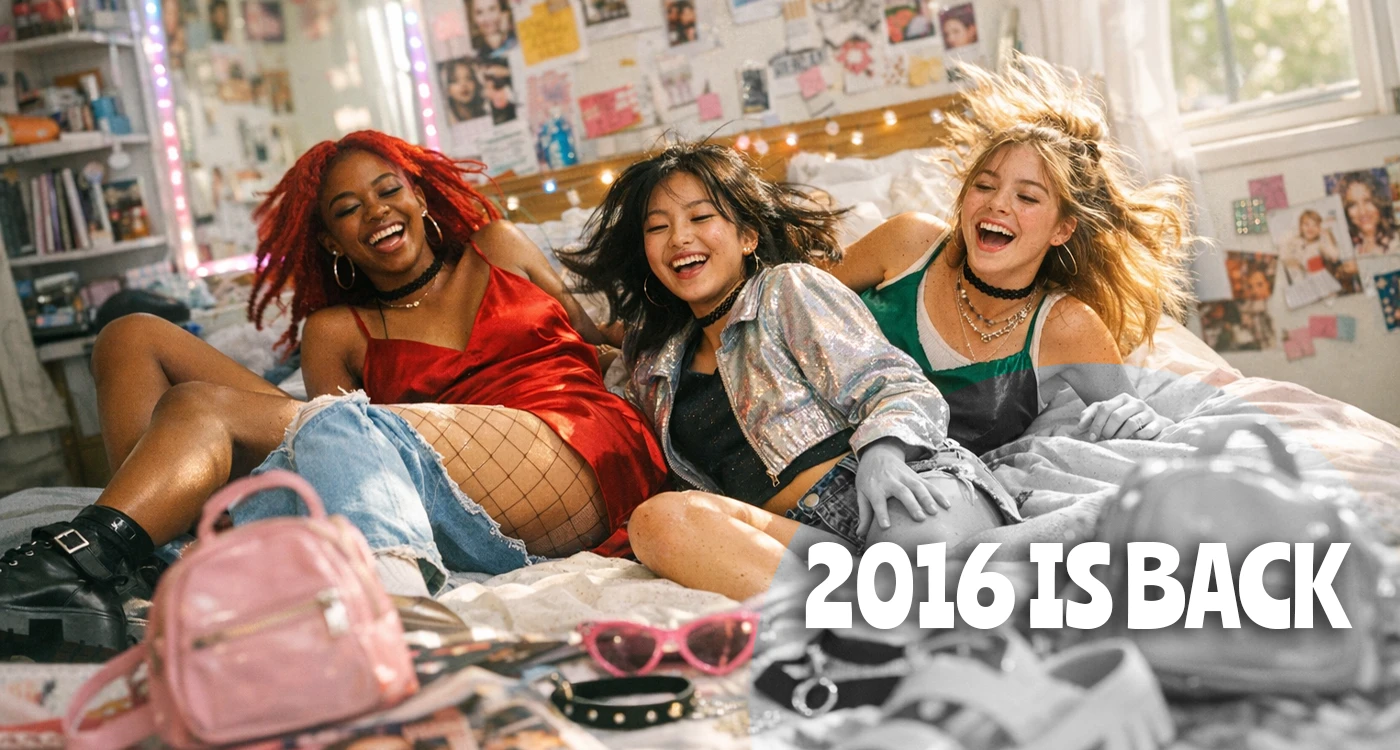
Imagine a world where the highlights were blindingly pink, the eyeliner was architecturally thick, and the bass drops were relentless. We are collectively sprinting backward. We trade our beige “quiet luxury” for the unapologetic, maximalist chaos of a decade ago. It is a full-scale vibe shift that feels less like a trend and more like a cultural exorcism of the present. 2026 has arrived, but its heart is beating to the rhythm of 2016.
The “2026 is the new 2016” movement is currently saturating our feeds. It manifests as a neon-soaked rebellion against the sterile minimalism of the early 2020s. We are witnessing a total aesthetic overhaul. This shift prioritizes high-octane glam over the “clean girl” facade. This is a visceral reclamation of an era that felt loud, tangible, and infinitely more human, rather than merely a casual throwback.
The Sonic Resurrection
The soundtrack of this movement is a frantic, glitter-soaked playlist of 2016’s greatest hits. We are hearing the synthesizers of Zara Larsson once again. The melodic, heavy-handed thud of The Chainsmokers echoes through our AirPods during our morning commutes. This music carries a specific, electric energy. It feels entirely distinct from the moody, lo-fi bedroom pop that has dominated the charts recently.
It is the sound of a pre-pandemic pulse. This sonic architecture relies on soaring choruses and unironic pop anthems. On TikTok, the 2016 filter has become the ultimate digital currency. It washes every video in a hazy, rose-tinted glow that feels like a vintage Instagram post. We are choosing to dance to the ghosts of our youth. Consequently, we find a strange, frantic comfort in the melodies that defined our first heartbreaks.
The rhythm of 2016 was unapologetically commercial and sparkling. It tried to make you feel like the main character of a high-budget music video, rather than being understated or intellectual. In 2026, we are desperately craving that level of production and theatricality in our daily lives. This 2016 aesthetic offers a curated escape from our current digital fatigue.
Maximalist Glam and the Winged Arch
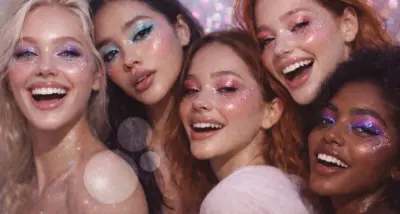
Visually, the movement manifests as a curated explosion of baddie energy. We are shedding the sheer tints and lip oils in favor of a palette that demands to be seen. Think back to the precision of a wing so sharp it could draw blood. We pair it with a contour that carves out an entirely new identity. The bold, structured looks of the mid-2010s increasingly inform the silhouette of 2026.
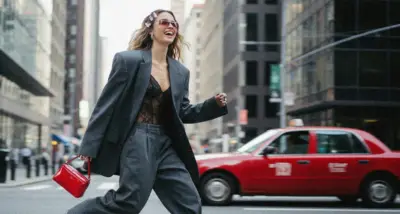
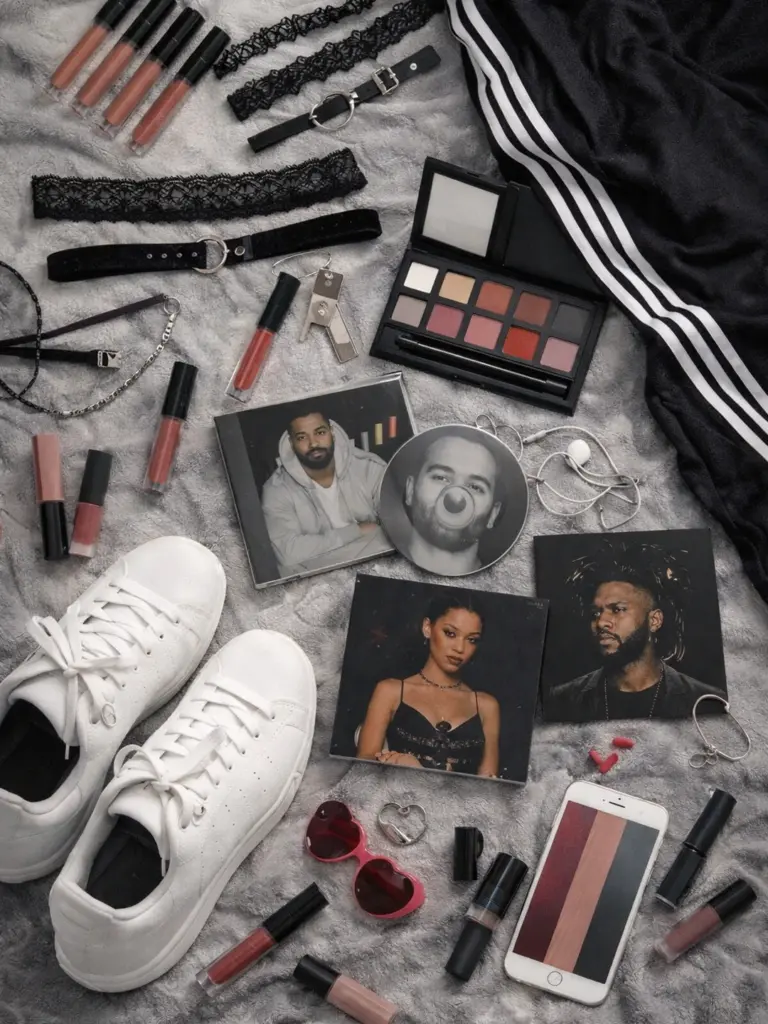
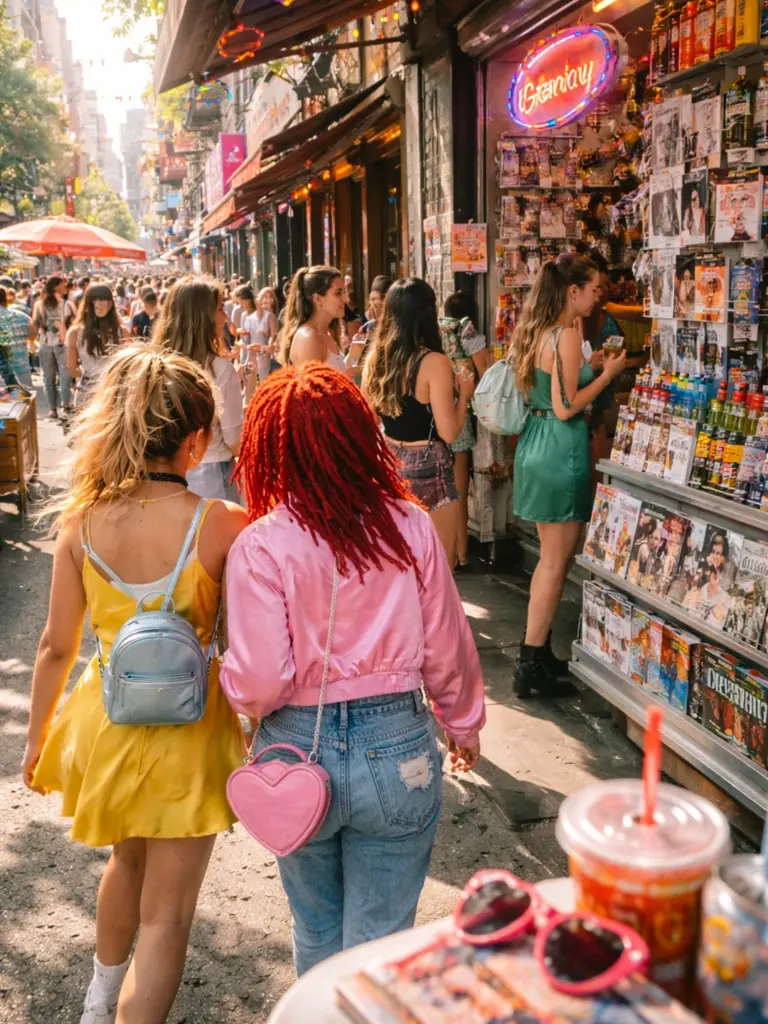
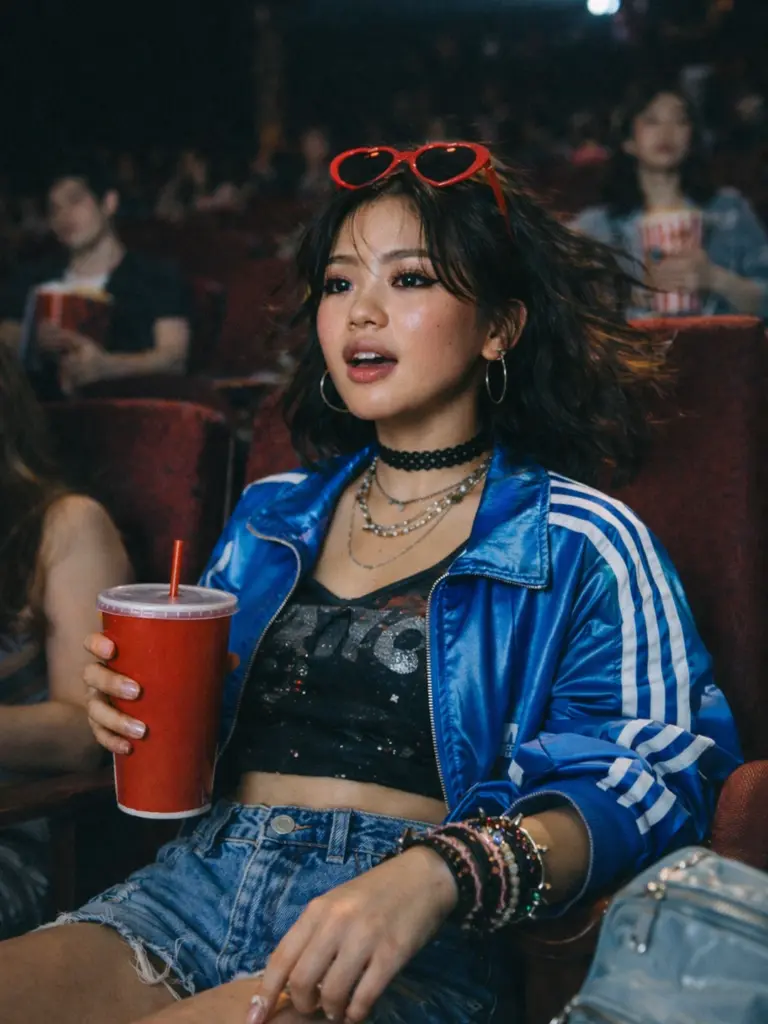
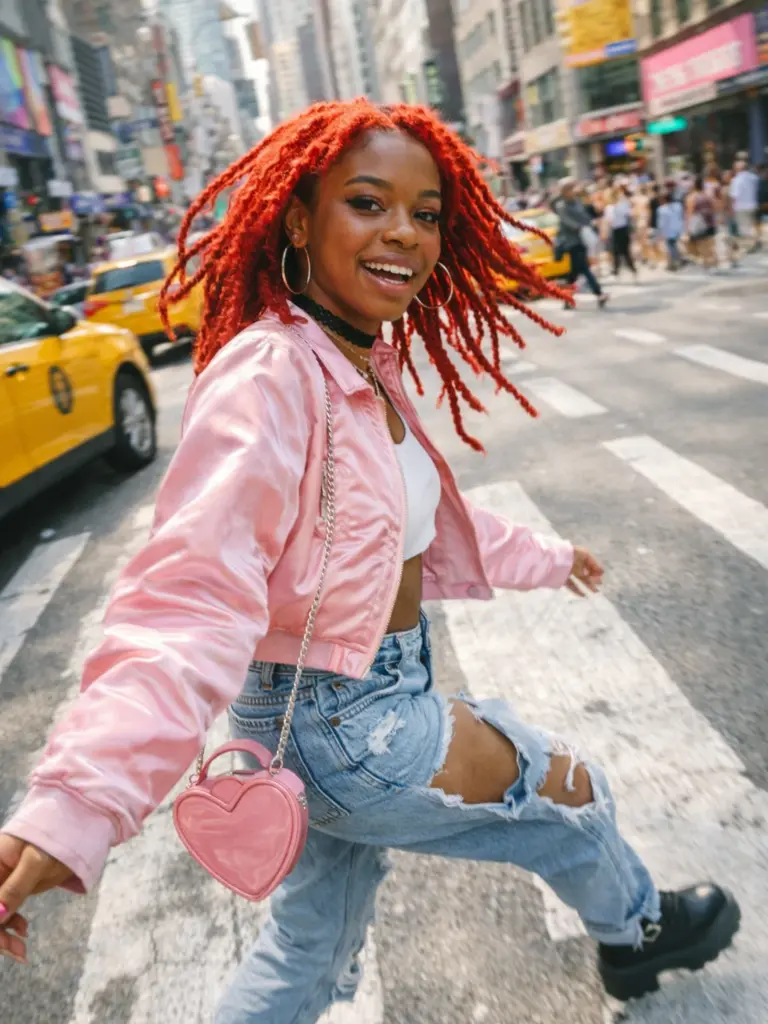
We are seeing the return of the archival bomber jacket and the velvet choker. Fashion is embracing the high-waisted denim that defined the Tumblr era. Texture is back in a major way. We want the tactile feel of faux fur and the sheen of heavy satin. We crave the weight of chunky, platform footwear. The aesthetic is loud, deliberate, and fiercely curated. It stands in stark contrast to the “I woke up like this” lie of recent years.
Makeup has become a canvas for drama once again. The “clean girl” has left the building. She is replaced by a girl who spends forty minutes on her cut-crease and isn’t afraid of a matte lip. There is something rebellious about putting on a full face of glam just to go to the grocery store. It is a performance of self that feels empowering in a world that often feels like it’s shrinking.
The Digital Sanctuary
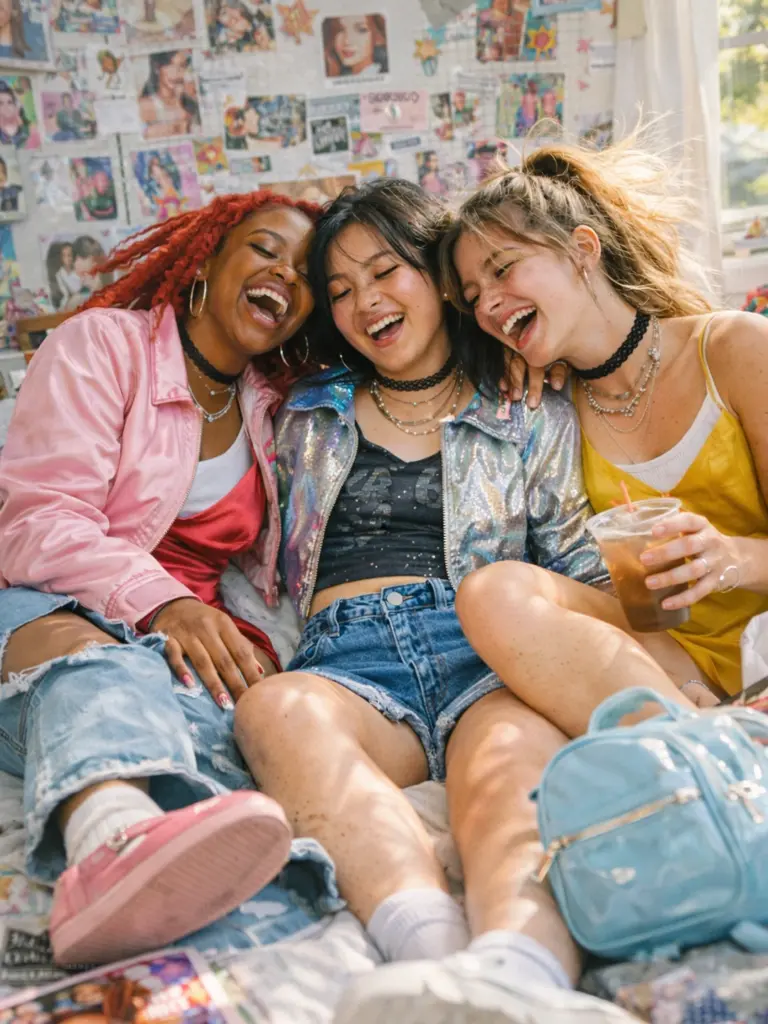
We do not miss the irony of our current situation. There is a profound, aching nostalgia for the digital landscape we left behind. Before the algorithm became a sentient monster, the internet felt more like a playground and less like a workplace. We miss the grainy, over-saturated photos that captured a night out. We want to post without the pressure of a million-dollar production.
In 2016, social media was certainly performative. However, it felt more like a shared moodboard and less like a high-stakes competition. We are longing for the days of “finstas” and chronological feeds. This was a time when a pink-hued filter was the peak of sophistication. Today, our digital lives feel hyper-optimized and exhausting. This leads us to crave the perceived simplicity of a decade ago.
We use advanced 2026 technology to simulate the “low-tech” feel of 2016. We download apps to make our high-definition videos look like they were filmed on an iPhone 6. This is a digital masquerade. It is a way to hide from the complexities of the present behind a curtain of grainy, pink pixels. These TikTok trends suggest we are tired of the polished perfection of the current era.
The Psychology of the Rose-Tinted Lens
Psychologically, this nostalgia trend serves as a velvet shield against an increasingly uncertain future. As we grapple with the encroachment of artificial intelligence and global instability, 2016 looks like a neon-lit sanctuary. Experts suggest that this intense nostalgia is a survival tactic. It is deeply rooted in the comfort of a perceived carefree youth.
We choose to view that year through a sapphire-tinted lens. We conveniently forget the political chaos and cultural shifts of the time. In our collective memory, we reduce 2016 to a summer of Pokémon Go and Rihanna’s Anti. We focus on the feeling that anything was possible. It is a selective history that prioritizes personal joy over global reality.
The “2026 is the new 2016” movement is a declaration of our need for raw, unfiltered joy, rather than merely an aesthetic choice. As we wrap ourselves in the textures and sounds of a decade ago, we find a way to stay grounded in an increasingly digital world. This era is officially viral and immortal. The heart of youth culture will always find its way back home.
#BringBack2016